

Ensuring Canine Well-being: Vaccination protocols When and way? Vaccinating dogs is a pivotal aspect of responsible pet care, serving as a cornerstone in safeguarding their health and preventing the spread of infectious diseases. The American Animal Hospital Association (AAHA) plays a crucial role in establishing protocols and guidelines to ensure that dogs receive appropriate vaccinations throughout their lives. Vaccinations for dogs are fundamental in preventing a range of potentially life-threatening diseases. These immunizations stimulate a dog’s immune system to recognize and combat specific pathogens, creating a defense mechanism that protects against infection. By vaccinating dogs, pet owners contribute not only to the individual health of their pets but also to the overall well-being of the canine community. AAHA Guidelines The AAHA, a reputable organization dedicated to promoting high standards of veterinary care, has established comprehensive guidelines for dog vaccinations. These guidelines take into account factors such as a dog’s age, breed, lifestyle, and regional considerations to tailor vaccination plans accordingly. Adhering to AAHA protocols ensures that dogs receive the right vaccinations at the right time, optimizing their immune response and overall health. Puppyhood Vaccinations: Puppies are particularly vulnerable to infectious diseases, and timely vaccinations are crucial to establish a robust immune foundation. AAHA recommends a series of core vaccinations during the initial stages of a dog’s life. First vaccine : at 8 weeks (distemper/parvo) First boost: after 15- 20 days (distemper, parvovirus, adenovirus and coronavirus). Second boos: after 15-20 days (distemper, parvovirus, adenovirus, and coronavirus) in this round the veterinarian might suggest other vaccines such as Bordetella, Lyme, and Leptospira. The last vaccine is for Rabies and is required by law in some countries. Adulthood Vaccinations: As dogs transition into adulthood, maintaining immunity through booster vaccinations becomes essential. AAHA guidelines emphasize regular veterinary check-ups to assess the individual needs of each dog. Lifestyle factors such as travel habits, exposure to other dogs, and regional disease prevalence are considered when determining the appropriate vaccinations for adult dogs. Annual vaccines include: Distemper, parvovirus, adenovirus, and coronavirus. Rabis Bordetella, Lyme, and Leptospira based on the lifestyle of the patient and under the veterinarian’s opinion *Titer testing is available after 2 years of proper course of vaccination programs.* Rabies Vaccination: Rabies, a zoonotic disease with severe consequences for both dogs and humans, underscores the critical importance of vaccinations. AAHA mandates rabies vaccinations as part of the core immunization schedule for dogs. Compliance with local regulations regarding rabies vaccinations is not only an obligation but also a vital step in preventing the spread of this fatal disease and protecting public health. The Obligation of Pet Owners: Pet ownership comes with a set of responsibilities, and vaccinations are a key component of fulfilling these obligations. Beyond legal requirements, responsible pet owners recognize the moral and ethical imperative to protect their dogs from preventable diseases. This involves staying informed about vaccination schedules, maintaining regular veterinary visits, and collaborating with veterinarians to ensure that individualized health needs are met. Community Health and Herd Immunity: Vaccinating dogs goes beyond individual protection; it contributes to community health and establishes herd immunity. By reducing the prevalence of infectious agents, vaccinated dogs play a vital role in creating safer environments for all dogs. This collective effort not only protects pets but also contributes to the well-being of the human population. Any other doubt? We are here to help, Contact us now. Contact Us

Dog Neutering
Neutering Your Dog: Benefits, Methods, and Considerations What is neutering? Neutering your dog is a crucial decision that goes beyond controlling the pet population—it plays a significant role in shaping your canine companion’s behavior and overall health. In this comprehensive guide, we will delve into the advantages of neutering, explore the key differences between orchiectomy and vasectomy, and discuss the recommended ages for neutering based on the size and breed of your dog. Advantages of Neutering: Neutering, also known as castration or gonadectomy, involves the removal of reproductive organs in male dogs. Beyond preventing unwanted litters, this procedure offers a range of behavioral and health benefits. Behavioral benefits are often one of the primary reasons pet owners opt for neutering. Intact male dogs can exhibit behaviors such as roaming, aggression, and urine marking, especially during the mating season. Neutering curbs these behaviors, leading to a more focused and trainable pet. The reduction in territorial marking, in particular, contributes to a cleaner and more harmonious living environment. Health benefits associated with neutering include a significant decrease in the risk of testicular tumors. By removing the testicles, the potential for testicular cancer is eliminated. Moreover, neutering can prevent certain prostate issues, including prostatitis (inflammation of the prostate) and adenomas (non-cancerous growths). Methods of Neutering: Orchiectomy vs. Vasectomy There are two primary methods of neutering: orchiectomy and vasectomy. Orchiectomy involves the complete removal of the testicles, leading to the cessation of testosterone production. This is the more common and comprehensive approach, addressing both behavioral and health-related concerns. On the other hand, vasectomy is a procedure where the vas deferens, the duct that conveys sperm from the testicle to the urethra, is severed or blocked. While this method prevents the transport of sperm, it leaves testosterone production intact. Vasectomy is less common in veterinary practice and may not address behavioral issues associated with intact males, making it a less popular choice. Choosing between orchiectomy and vasectomy depends on the specific goals and concerns of the dog owner. If the primary objective is to address behavioral issues along with preventing unwanted litters, orchiectomy is the recommended choice due to its comprehensiveness. Recommended Ages for Neutering: The optimal age for neutering varies based on the size and breed of the dog. For larger breeds, such as Great Danes, Saint Bernards, or Mastiffs, it is generally advised to wait until they are around 2 years old. Delaying neutering in larger breeds allows for more controlled growth and development, reducing the risk of orthopedic issues associated with early neutering. Conversely, for smaller breeds like Chihuahuas, Dachshunds, or Shih Tzus, neutering can be considered at around one year of age. This strikes a balance between reaping the behavioral benefits of neutering and ensuring optimal health. Health Considerations: Prostatitis and adenomas, conditions affecting the prostate gland, are potential complications of not neutering male dogs. Prostatitis, characterized by inflammation of the prostate, can lead to discomfort and urinary issues. Adenomas are non-cancerous growths that can cause similar symptoms. Neutering significantly reduces the risk of these conditions, contributing to the overall well-being of your dog. In conclusion, neutering your dog is a responsible decision with far-reaching benefits. It not only helps manage the pet population but also enhances your dog’s behavior and minimizes the risk of certain health issues. To make informed decisions about the method and timing of neutering, consulting with a veterinarian is crucial. They can provide personalized recommendations based on your dog’s individual needs, ensuring a healthier and happier life for your cherished canine companion. Any other doubt? We are here to help, Contact us now. Contact Us
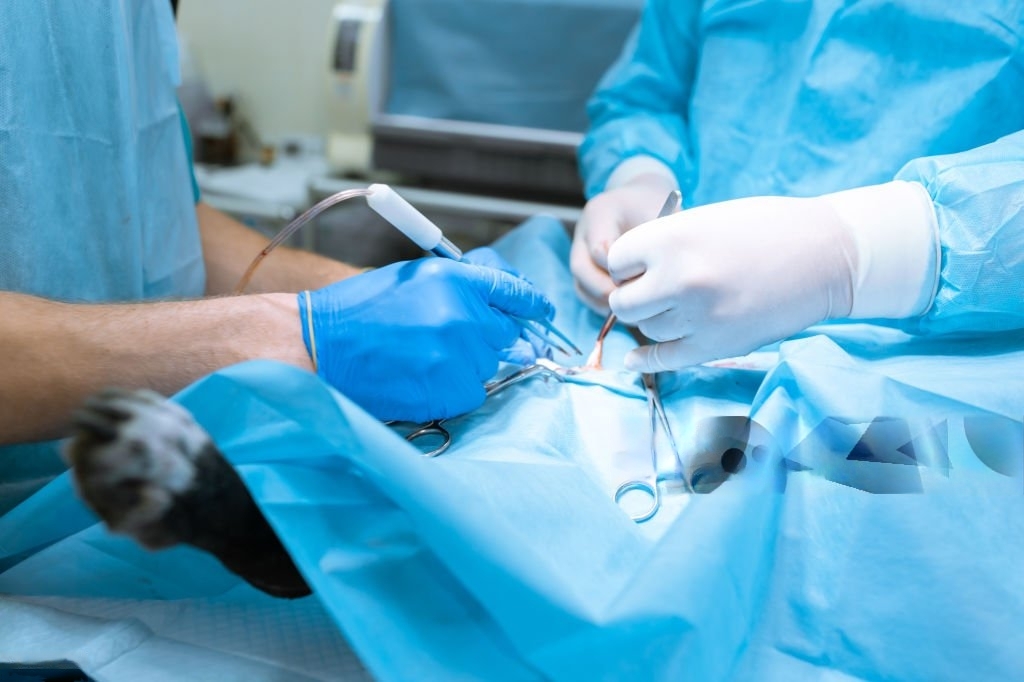
Dog spay
The Advantages of Spaying Your Dog What is spaying? Spaying your dog can offer numerous benefits that contribute to both her health and your peace of mind. One of the primary advantages is the prevention of unwanted pregnancies, reducing the population of stray and abandoned dogs. This not only helps control the overpopulation crisis but also ensures that your furry friend won’t contribute to it. Beyond population control, spaying has several health benefits for female dogs. It significantly reduces the risk of uterine infections and eliminates the possibility of uterine or ovarian cancers. Additionally, spaying before the first heat cycle can lower the chances of developing mammary tumors, which can be malignant. Behavioral improvements are another positive outcome of spaying. Female dogs in heat can exhibit disruptive behaviors such as restlessness, excessive vocalization, and attracting unwanted attention from male dogs. Spaying helps curb these behaviors, leading to a more settled and contented pet. Moreover, spaying can save you money in the long run, as the cost of caring for a pregnant dog, along with the responsibilities of raising a litter, can be substantial. By opting for spaying, you invest in your dog’s health and well-being, while also contributing to the broader welfare of the canine community. When should I spay my dog? When considering the optimal age for spaying, it’s important to note that the timing can vary based on the breed and size of the dog. For large breed dogs, such as Labrador Retrievers, German Shepherds, or Great Danes, it’s generally recommended to wait until they are around 2 years old before undergoing the spaying procedure. Delaying spaying in large breeds allows for more controlled growth and development, reducing the potential risk of orthopedic issues and joint problems associated with early spaying. For smaller breeds, spaying can typically be performed earlier, and many veterinarians recommend spaying after the first heat cycle. This is usually around six months of age for small to medium-sized dogs. Spaying before the first heat provides the greatest health benefits, including a reduced risk of mammary tumors and eliminates the likelihood of unwanted pregnancies. It’s essential for dog owners to consult with their veterinarian to determine the most appropriate timing for spaying based on their dog’s individual health, breed, and size. Veterinarians can provide personalized recommendations to ensure the procedure is performed at an age that optimizes both the health and well-being of the dog. By considering the specific needs of different breeds and individual dogs, owners can make informed decisions to promote a long and healthy life for their canine companions. Now, let’s address the difference between ovariectomy and ovariohysterectomy: Ovariectomy and ovariohysterectomy are both surgical procedures designed to spay female dogs, but they differ in the extent of reproductive organ removal. Ovariectomy involves removing only the ovaries, while ovariohysterectomy involves removing both the ovaries and the uterus. Ovariectomy is considered a less invasive procedure with potentially fewer complications. By removing only the ovaries, the dog’s hormonal balance is disrupted, preventing estrus (heat cycles) and associated behaviors, but leaving the uterus intact. Some argue that maintaining the uterus may have potential benefits for hormonal regulation and pelvic floor support. Ovariohysterectomy removes both the ovaries and the uterus. This more comprehensive approach ensures complete prevention of pregnancies and eliminates the risk of uterine diseases, including infections and cancers. Ovariohysterectomy is still widely performed and recommended by many veterinarians due to its thoroughness and long-standing track record of safety. Ultimately, the choice between ovariectomy and ovariohysterectomy depends on factors such as the veterinarian’s recommendation, the dog’s health, and the owner’s preferences. Both procedures are effective in achieving the primary goal of spaying—preventing unwanted pregnancies and promoting the overall well-being of the canine companion. Any other doubt? We are here to help, Contact us now. Contact Us

Diabetes Mellitus in Cats Symptoms and Treatment
Diabetes Mellitus in Cats Symptoms and Treatment What is diabetes mellitus? Diabetes mellitus in cats is a complex metabolic disorder characterized by an inability of the body to regulate blood sugar levels properly due to insufficient insulin production or poor response to insulin. Insulin, produced by the pancreas, is crucial for regulating glucose metabolism and maintaining stable blood sugar levels. When this balance is disrupted, it leads to diabetes mellitus. This illness can be present in any cat breed from American long hair, to American Short hair, and even the beautiful Ragdoll. Symptoms of diabetes mellitus in cats can manifest gradually and may include: Increased Thirst (Polydipsia): Cats will drink more water than usual due to the body’s attempt to eliminate excess glucose through urine, leading to dehydration. Frequent Urination (Polyuria): Excessive urination occurs as the kidneys work to eliminate the excess glucose in the urine. Increased Appetite (Polyphagia): Cats may exhibit a heightened appetite despite losing weight. The body’s cells are unable to utilize glucose properly for energy, leading to a constant feeling of hunger. Weight Loss: Despite an increased appetite, cats may lose weight due to the breakdown of body fat and muscle tissue for energy. Lethargy and Weakness: A cat’s overall energy levels may decrease, leading to reduced activity and increased sleepiness. Vomiting or Dehydration: In severe cases or if left untreated, diabetes mellitus can lead to vomiting, weakness, and dehydration. Diagnosis of diabetes mellitus in cats involves a combination of clinical signs, blood tests to measure blood glucose levels, and urine tests to check for the presence of glucose and ketones. Sometimes, further tests like fructosamine or glycated hemoglobin tests are performed to assess the average blood sugar levels over a few weeks. Once diagnosed, the treatment of diabetes mellitus in cats primarily revolves around managing blood sugar levels and supporting overall health. Treatment options include: Insulin Therapy: Most diabetic cats require insulin injections to help regulate their blood sugar levels. Your veterinarian will determine the appropriate type and dosage of insulin based on the cat’s needs. It’s essential to administer insulin as prescribed and monitor blood sugar levels regularly. Dietary Management: Feeding a consistent, high-protein, low-carbohydrate diet prescribed by the veterinarian can help regulate blood sugar levels. Specialized diabetic cat foods are available and can aid in managing the condition. Weight Management and Exercise: Cat obesity is the main cause for developing diabetes. Maintaining a healthy weight through portion control and encouraging regular exercise can help manage diabetes mellitus. However, exercise should be regulated and monitored to prevent hypoglycemia (low blood sugar). Monitoring and Regular Veterinary Check-ups: Monitoring blood glucose levels at home (if recommended by the vet) and regular check-ups are crucial to assess the cat’s response to treatment, adjust insulin doses if necessary, and address any complications or changes in health. It’s important to note that while diabetes mellitus in cats is a manageable condition, it requires dedicated care and ongoing monitoring. Some diabetic cats may go into remission, where they no longer require insulin therapy due to improved insulin sensitivity. However, remission is not guaranteed, and lifelong management may still be necessary. Untreated or poorly managed diabetes mellitus can lead to severe complications, including diabetic ketoacidosis (DKA), a life-threatening condition characterized by extremely high blood sugar levels, dehydration, and electrolyte imbalances. Owners of diabetic cats should work closely with their veterinarians to develop a comprehensive treatment plan tailored to their cat’s specific needs. With proper management, including insulin therapy, diet control, and regular monitoring, diabetic cats can lead happy, comfortable lives. Any other doubt? We are here to help, Contact us now. Contact Us
